





Navratri Puja Vidhi at Home – Step-by-Step Guide for a Divine Celebration
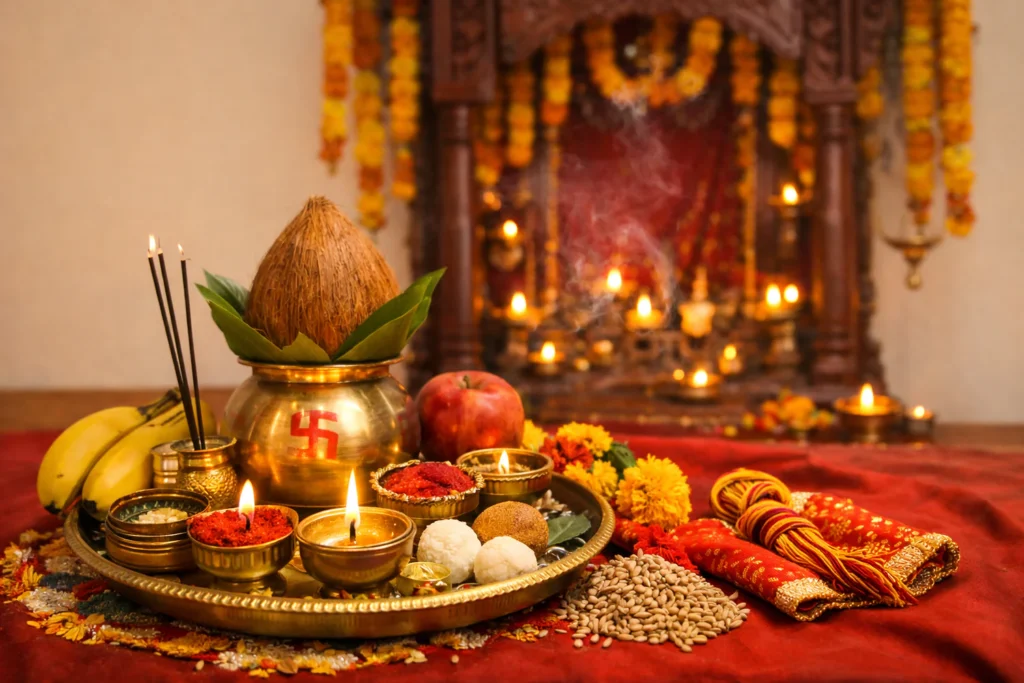
Navratri is one of the most sacred Hindu festivals dedicated to the worship of Goddess Durga, symbolizing the victory of good over evil. The word Navratri means nine nights, during which devotees worship different forms of the Divine Mother through Navratri rituals, fasting, prayers, Garba, and Dandiya Raas celebrations.
Performing Navratri Puja at home with proper rituals is believed to bring prosperity, protection, and spiritual growth. In this guide, we will explain the Navratri Puja Vidhi step-by-step, along with traditions like Navratri fast, Navratri colors, Navratri thali preparation, and Kanya Pujan.
To perform the rituals properly, having authentic puja essentials, idols, and Navratri puja items is important. Devotees can easily find these sacred items at Art of Puja, where curated spiritual products help make your festival preparation simple and divine.
Significance of Navratri
The festival celebrates the victory of Goddess Durga over the demon Mahishasura. Each day of Navratri is dedicated to a different manifestation of the goddess, collectively known as the Navadurga.
Devotees worship the goddess through Navratri rituals at home, light diyas, chant mantras, listen to Navratri songs, and participate in traditional dances like Garba and Dandiya Raas.
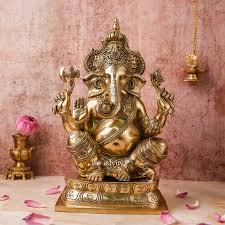
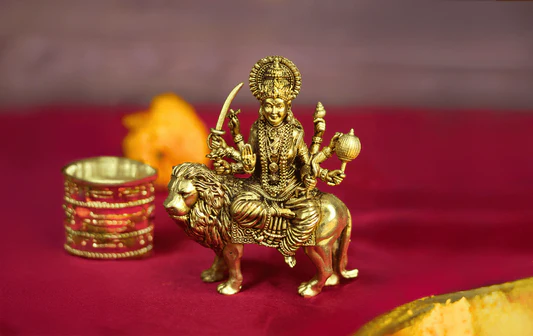
To create a sacred atmosphere at home, devotees often install Durga idols, puja thalis, and decorative temple accessories. Many families now prefer sourcing these divine items from Art of Puja, which offers authentic puja products designed for festivals like Navratri.
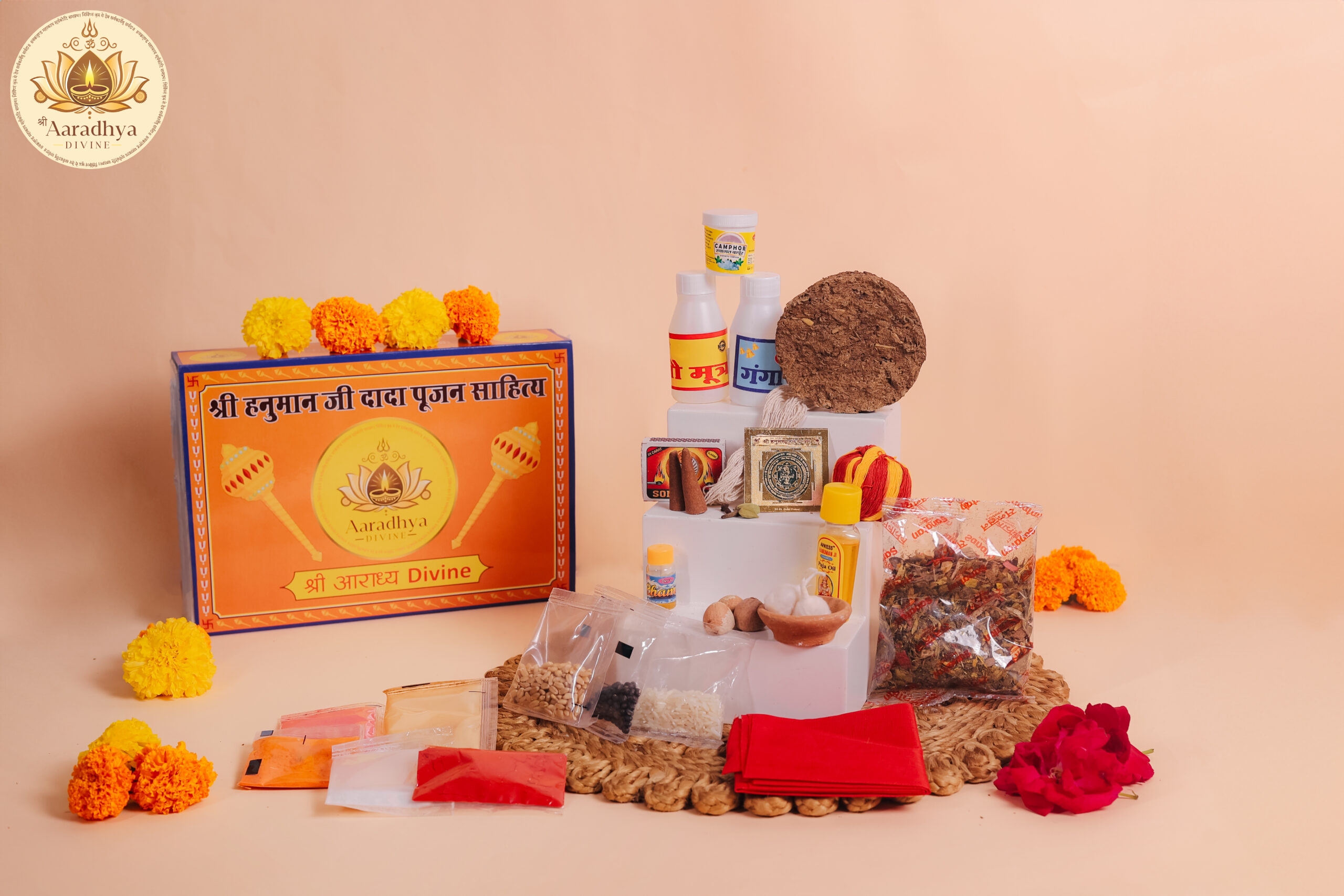
Navratri Puja Samagri (Items Required)
Before performing the Navratri Puja Vidhi at home, arrange the following puja items:
- Idol or image of Goddess Durga
- Kalash (sacred pot)
- Mango leaves
- Coconut
- Red cloth
- Kumkum and turmeric
- Rice (Akshat)
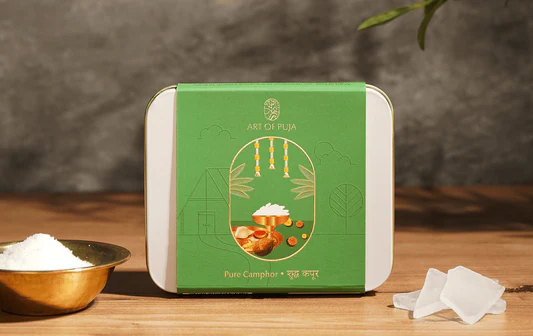
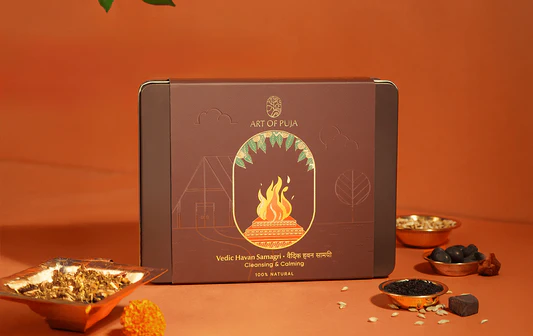
- Incense sticks and camphor
- Diyas or oil lamps
- Flowers and garlands
- Fruits and sweets
- Navratri Thali for offering prasad
Having a properly arranged Navratri thali and authentic puja samagri makes the ritual more sacred. Devotees can conveniently explore beautifully crafted puja thalis, idols, and festive puja kits at Art of Puja, ensuring all essentials are available in one place.
Step-by-Step Navratri Puja Vidhi at Home
1. Clean and Prepare the Puja Space
Begin by cleaning your home and especially the place where the puja will be performed. Decorate the altar with flowers and rangoli to create a spiritual atmosphere.
Place the idol or image of Goddess Durga on a raised platform covered with a clean red cloth. Lighting incense and diyas purifies the surroundings and invites divine energy.
Many devotees choose elegant Durga idols and temple décor from Art of Puja to create a sacred and beautiful puja space at home.
2. Kalash Sthapana (Ghatasthapana)
Kalash Sthapana marks the beginning of Navratri rituals.
Steps to perform Kalash Sthapana:
Fill a Kalash with water.
Place mango leaves around its opening.
Put a coconut wrapped in red cloth on top.
Keep the Kalash on a bed of rice or soil where barley seeds are sown.
This sacred Kalash symbolizes divine energy and prosperity. For a traditional puja setup, beautifully designed kalash sets and puja accessories available at Art of Puja can enhance the spiritual experience.
3. Invocation of Goddess Durga
Light a diya and incense sticks and chant Durga mantras to invoke the blessings of Goddess Durga.
Offer:
- Flowers
- Kumkum
- Akshat (rice)
- Fruits and sweets
Devotees often listen to devotional Navratri songs and recite the Durga Saptashati during this ritual. Creating a divine altar with sacred idols and authentic puja items from Art of Puja helps devotees perform these rituals with devotion and ease.
4. Follow Navratri Colors Each Day
Each of the nine days of Navratri is associated with a specific Navratri color, symbolizing the energy of each goddess form.
For example:
Day 1 – Yellow
Day 2 – Green
Day 3 – Grey
Day 4 – Orange
Day 5 – White
Day 6 – Red
Day 7 – Royal Blue
Day 8 – Pink
Day 9 – Purple
Devotees wear these colors while performing Navratri rituals at home, which is believed to bring positivity and spiritual harmony. Pairing these traditions with a beautifully decorated altar using items from Art of Puja makes the celebration even more meaningful.
5. Observing Navratri Fast
Many devotees observe the sacred Navratri fast as a form of devotion and purification.
Common fasting practices include:
- Eating satvik food
- Avoiding grains and onion-garlic
- Consuming fruits, milk, and vrat-friendly dishes
- Offering prasad to the goddess daily
Food is usually offered in a special Navratri thali before being consumed as prasad. Beautifully designed puja thalis and traditional festival essentials are easily available at Art of Puja to enhance this ritual.
6. Evening Aarti and Devotional Celebrations
Every evening during Navratri, devotees perform Durga Aarti, light diyas, and sing devotional Navratri songs.
In many regions, communities celebrate with traditional dance forms like:
- Garba
- Dandiya Raas
These celebrations symbolize joy and devotion to the goddess. Families also decorate their home temples with divine idols and festive puja décor from Art of Puja to create a vibrant spiritual atmosphere.
7. Kanya Pujan (Kanjak Puja)
On the 8th or 9th day of Navratri, devotees perform Kanya Pujan, where young girls are worshipped as manifestations of Goddess Durga.
Ritual steps include:
- Inviting 9 young girls
- Washing their feet
- Applying tilak
- Offering food, gifts, and prasad
This ritual symbolizes honoring the divine feminine. Offering prasad in a beautifully prepared Brass thali from Art of Puja adds a traditional touch to this sacred ritual.
Tips for Performing Navratri Puja at Home
To ensure a meaningful Navratri Puja Vidhi, follow these tips:
✔ Maintain cleanliness and purity
✔ Chant Durga mantras daily
✔ Light diyas every morning and evening
✔ Offer fresh flowers and prasad
✔ Follow the Navratri colors for each day
Using authentic puja samagri, idols, and temple décor from Art of Puja can help devotees perform the rituals properly and maintain spiritual authenticity during the festival.
Frequently Asked Questions (FAQs)
1. What is the correct Navratri Puja Vidhi at home?
The Navratri Puja Vidhi begins with Kalash Sthapana, followed by daily prayers, offering flowers and prasad to Goddess Durga, observing the Navratri fast, and performing evening aarti.
2. What items are needed for Navratri Puja?
Essential items include a Durga idol, Kalash, coconut, mango leaves, kumkum, flowers, diyas, incense sticks, fruits, and a Navratri thali. Many devotees prefer purchasing complete Navratri puja kits from Art of Puja for convenience.
3. Why is Kanya Pujan done during Navratri?
Kanya Pujan symbolizes honoring young girls as the divine form of Goddess Durga and seeking blessings for prosperity and happiness.
4. What food is allowed during Navratri fast?
During the Navratri fast, devotees eat satvik food, fruits, milk, sabudana dishes, and vrat-friendly recipes while avoiding grains and non-vegetarian food.
5. What are Navratri colors and why are they important?
Navratri colors represent the energy of the nine forms of the goddess and are believed to attract positivity and divine blessings during the festival.